
Fall can be a great time to finally move forward with a project you’ve been thinking about all summer.
Maybe you’re planning an addition, putting in a garage, installing a pool, building a new home, replacing a septic system, or preparing land for development. Before the contractor arrives or the first shovel goes into the ground, there are a few things worth checking first.
We’ve worked with homeowners, builders, contractors, developers, and real estate professionals throughout eastern Pennsylvania since 1992. One thing we’ve learned is that a little planning at the beginning can prevent a lot of frustration later.
Quick Answer: What Should I Check Before Starting a Construction Project in Pennsylvania?
Before you build, make sure you understand your property boundaries, zoning requirements, permits, drainage, septic conditions, wetlands, and the overall condition of the site. Some projects may also require surveying, civil engineering, environmental permitting, or stormwater planning before construction can legally begin.
7 Things to Review Before Starting Your Fall Construction
1. Do You Know Exactly Where Your Property Lines Are?
Don’t rely on an old fence, a row of trees, or where you’ve always assumed the property line to be.
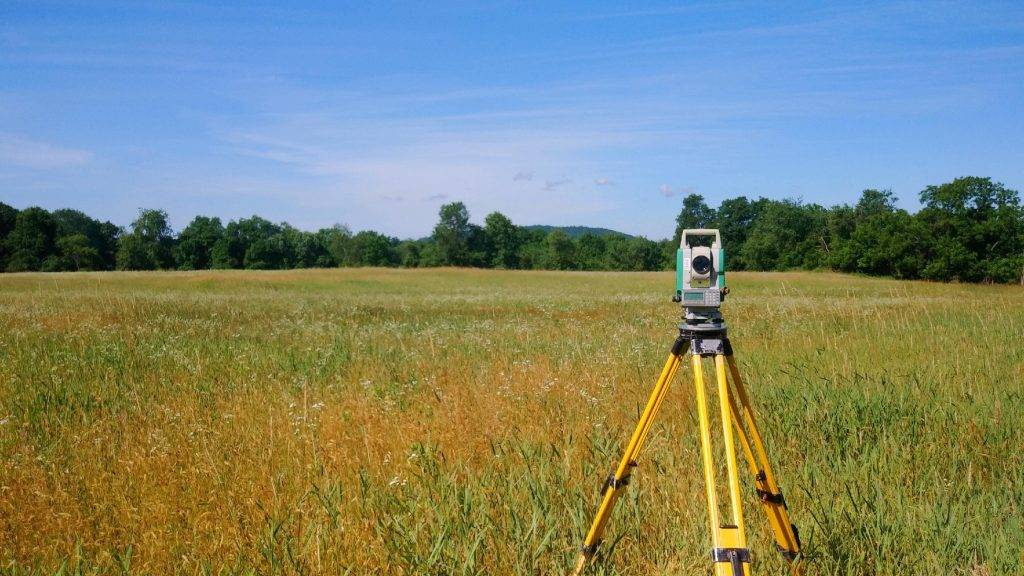
A boundary survey can confirm the location of your property and identify easements, encroachments, and other conditions that could affect where you build.
This becomes especially important when you’re planning a fence, garage, addition, driveway, shed, pool, or other improvement near the edge of your property.
2. Have You Checked Your Local Zoning Requirements?
Every municipality has its own rules.
Setbacks, lot coverage, building height, permitted uses, and other requirements can change from one township or borough to another.
Before spending money on construction plans, it’s important to know whether your project fits the local zoning regulations or whether additional approvals may be needed.
3. What Permits and Approvals Will Your Project Need?
One of the most common questions we hear is, “Do I really need a permit for this?”
Very often, the answer is yes.
Even projects that seem fairly simple can involve municipal permits or approvals. Larger projects can require several agencies and multiple steps.
Finding that out before construction begins is much easier than trying to solve a permitting problem after work is already underway.
4. Where Will the Water Go?
Pennsylvania gets plenty of rain, and fall weather can make drainage problems much easier to spot.
Adding a building, driveway, patio, parking area, or other impervious surface changes how water moves across a property. Additionally, if your construction will add or remove hills or dips in the landscape, it can impact where water collects.
That runoff may need to be addressed through grading or stormwater management. It’s important to understand whether your project could send water toward your home, a neighboring property, a roadway, or another problem area.
5. Could Your Septic System Affect Where You Build?
Homes with on-lot sewage systems need some extra planning.
Your existing septic system, drainfield, replacement area, and soil conditions may affect where an addition, pool, garage, or other improvement can be placed.
Before choosing the final location for your project, make sure the septic system isn’t going to create an unexpected conflict.
6. Are Wetlands or Other Environmental Conditions Present?
A piece of property doesn’t have to look swampy to contain wetlands.
Streams, floodplains, wetlands, endangered species concerns, and other environmental conditions may affect what can be built and where it can go.
Identifying these conditions early gives you time to understand your options before they become an expensive surprise.
7. Is the Property Actually Ready for the Project You Have in Mind?
This is where the entire picture comes together.
Slope, grading, drainage, soil, utilities, access, property boundaries, environmental conditions, and municipal requirements can all influence whether a project is practical.
Sometimes the best first step isn’t calling the contractor. It’s having the property evaluated so you know what needs to happen before construction begins.
Planning Now Can Save Headaches Later
At All County & Associates, our goal has always been to help people make informed decisions.
We work throughout Berks, Bucks, Carbon, Chester, Delaware, Lackawanna, Lancaster, Lehigh, Luzerne, Montgomery, Monroe, Northampton, Pike, Schuylkill, and southern Wayne counties, helping clients with land surveying, civil engineering, land planning, environmental permitting, septic system services, stormwater concerns, and more.
Whether you’re planning a small residential improvement or a larger construction project, starting with the right information can make the entire process easier.
Have a project in mind this fall? Talk with our team before you build. We can help you understand the property, the approvals, and the next steps so you can move forward with confidence.