Quick Answer
The answer depends on where your property is located and the type of project you’re planning. In Pennsylvania, some construction projects may require an endangered species review before permits can be issued. Completing this review early can help prevent unexpected delays, redesigns, or permit issues. At All County & Associates, we help property owners, developers, municipalities, and contractors identify potential concerns before they become costly surprises.
Planning to Build? Here’s One Question Many Property Owners Don’t Know to Ask.
A customer called us recently with what seemed like a straightforward project. They owned several acres outside Reading and planned to build a new commercial building. The engineering plans were nearly complete, financing was in place, and construction was ready to begin.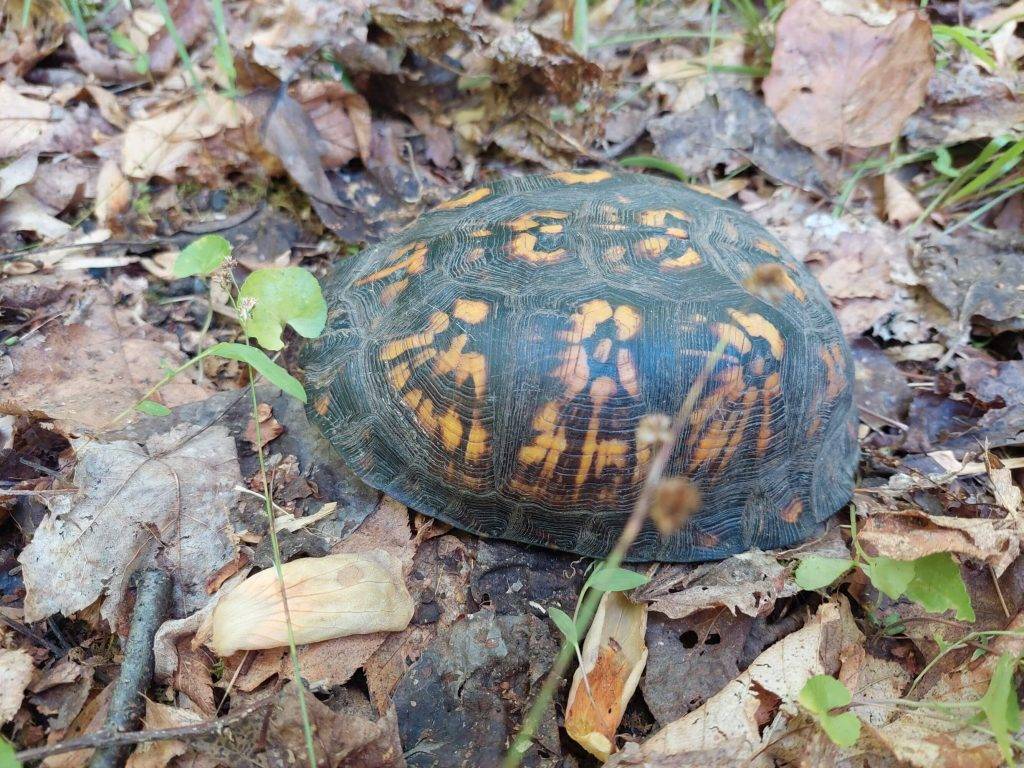
Then a permitting agency requested an endangered species review.
It wasn’t something they had considered. They weren’t trying to develop a nature preserve. It was simply a vacant piece of land that looked perfect for construction.
What followed wasn’t a disaster, but it did add time to the project because the review had to happen before permits could move forward.
Situations like this happen more often than people realize.
Many Pennsylvania properties contain natural habitats that support protected plants or wildlife. That doesn’t automatically prevent development, but it does mean environmental regulations may come into play.
Knowing what to expect early can make the entire process smoother.
What Is an Endangered Species Assessment?
An endangered species assessment is an environmental review that evaluates whether a proposed project could affect protected plants, animals, or their habitats.
Rather than looking only at what is visible today, the review considers historical records, habitat conditions, state databases, federal resources, and site characteristics.
The goal isn’t to stop development.
The goal is to protect sensitive species while allowing responsible growth.
Depending on your project, the assessment may include:
- Desktop environmental research
- Mapping and database reviews
- Field investigations
- Habitat evaluations
- Coordination with regulatory agencies
- Documentation required for permit applications
Every project is different. Some properties receive clearance quickly, while others require additional evaluation or recommendations.
Why Would My Property Need One?
Many people assume endangered species only exist in forests or remote mountains.
In reality, protected habitats can exist near:
- Residential subdivisions
- Agricultural properties
- Commercial developments
- Municipal infrastructure
- Utility corridors
- Vacant lots
- Wooded parcels
- Wetlands and stream corridors
Even land that has remained untouched for years may provide suitable habitat for protected species.
Because of that, environmental agencies often require developers to verify whether a project could impact sensitive resources before permits are approved.
What Types of Projects May Trigger an Assessment?
Not every project requires an endangered species review.
However, the likelihood increases when projects involve land disturbance or environmental permitting.
Examples include:
- Commercial developments
- Residential subdivisions
- Industrial facilities
- Road improvements
- Utility installations
- Stream crossings
- Stormwater improvements
- Wetland impacts
- Bridge projects
- Large additions
- Municipal improvements
We’ve worked with projects ranging from individual property owners to municipalities planning public improvements throughout eastern Pennsylvania.
Each project starts with understanding the property before construction begins.
What Happens During the Review?
One of the biggest misconceptions is that an endangered species assessment means biologists spend weeks searching your property.
Sometimes the process is much simpler.
It often begins with research.
We review available environmental information, examine aerial photography, evaluate habitat conditions, and identify whether protected species have been documented nearby.
When necessary, we perform field investigations to verify conditions.
After gathering the information, we prepare documentation that supports the permitting process and addresses agency requirements.
By approaching the review methodically, we help reduce uncertainty before construction begins.
Could an Endangered Species Review Delay My Project?
It can—but planning ahead makes a tremendous difference.
One of the biggest reasons projects experience delays isn’t because endangered species are found.
It’s because the review begins after engineering plans are nearly complete or permit applications have already been submitted.
Starting early allows everyone involved to understand potential environmental considerations before significant investments are made.
We’ve found that proactive planning often saves both time and money.
What Happens Should Protected Species Be Identified?
Finding protected habitat doesn’t automatically mean your project stops.
Many customers are surprised to learn there are often practical solutions.
Depending on the circumstances, recommendations may include:
- Adjusting the project layout
- Avoiding sensitive habitat
- Scheduling construction during certain seasons
- Protecting specific areas during construction
- Completing additional environmental documentation
The appropriate solution depends on the project, the location, and regulatory requirements.
That’s why experienced environmental guidance is so valuable.
Why Local Experience Matters
Environmental regulations involve more than checking a box on a permit application.
They require understanding how engineering, environmental science, and permitting work together.
Because we’ve worked throughout Berks, Bucks, Carbon, Chester, Delaware, Lancaster, Lehigh, Luzerne, Montgomery, Monroe, Northampton, Pike, Schuylkill, Lackawanna, and southern Wayne counties, we’re familiar with many of the environmental challenges that arise across eastern Pennsylvania.
Every property has its own characteristics.
Some sites include wetlands.
Others involve streams, floodplains, steep slopes, or protected habitats.
Looking at the complete picture early helps projects move through the permitting process with fewer surprises.
When Should You Contact an Environmental Engineer?
Earlier than most people think.
Many property owners wait until permit applications have already begun.
By then, changing site plans can become more complicated.
We recommend reaching out during the planning stage—before final engineering plans are completed.
That gives everyone involved the opportunity to identify environmental concerns while there is still flexibility in the design.
Whether you’re purchasing property, preparing for development, expanding a business, or planning municipal improvements, early environmental planning often leads to a smoother project.
A Simple Checklist Before You Build
Before beginning your next project, ask yourself these questions:
- Is my project disturbing previously undeveloped land?
- Will permits be required?
- Are wetlands, streams, or wooded areas nearby?
- Could protected habitat exist on or near the property?
- Have environmental reviews already been completed?
- Should I speak with an environmental engineering firm before finalizing plans?
Answering these questions early can help prevent unnecessary delays later.
Bringing Environmental Planning and Engineering Together
At All County & Associates, we believe successful projects begin with good information.
Our environmental engineering team works alongside property owners, developers, municipalities, architects, contractors, and businesses to identify potential concerns before they become obstacles.
Every project is different.
That’s why we take the time to understand your property, explain the permitting process in plain language, and recommend practical solutions that support responsible development.
Whether you’re planning a single building or a larger development, we’re here to help you move forward with confidence.
Frequently Asked Questions
Do all construction projects require an endangered species assessment?
No. Requirements depend on the property’s location, the type of project, permitting agencies involved, and potential environmental impacts.
How long does an endangered species assessment take?
The timeline varies based on the project, available environmental information, seasonal conditions, and agency requirements. Starting early helps avoid unnecessary delays.
Can protected species stop my project?
Not necessarily. Many projects continue with design modifications, seasonal timing adjustments, habitat protection measures, or other recommendations that satisfy environmental requirements.
Who typically needs an endangered species review?
Property owners, developers, municipalities, engineers, contractors, utility companies, and commercial businesses may all need environmental reviews depending on the scope of their projects.
What counties does All County & Associates serve?
We proudly serve clients throughout Berks, Bucks, Carbon, Chester, Delaware, Lackawanna, Lancaster, Lehigh, Luzerne, Montgomery, Monroe, Northampton, Pike, Schuylkill, and southern Wayne counties.
How can I find out whether my project needs an endangered species assessment?
The easiest first step is to speak with an experienced environmental engineering team. We can review your project, discuss potential permitting requirements, and help determine whether an endangered species assessment should be part of your planning process.
Let’s Talk Before Your Project Breaks Ground
Every successful project starts with good planning.
Should you be preparing to develop property, improve municipal infrastructure, expand your business, or begin a new construction project, we’d be happy to discuss your site and help you understand what environmental reviews may be needed.
A conversation early in the process can save valuable time later.
Contact All County & Associates to learn how our environmental engineering team can help guide your project from planning through permitting.