Updated in January 2026
For many Pennsylvania homeowners, on-lot sewage systems are out of sight and out of mind… until something goes wrong or a property change is on the table.
What is an on-lot sewage system?
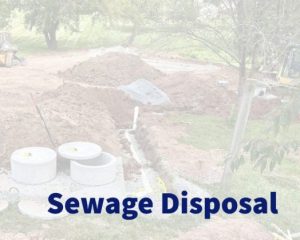
An on-lot sewage system is a private wastewater treatment system used by homes not connected to public sewer lines. It safely treats and disperses household wastewater on your property through a tank and soil absorption area. Approximately one-third of new construction incorporates them, so your home is likely to have one. Proper design, inspection, and maintenance help protect your home, property value, and local environment.
Why Does it Matter to Know On-Lot Sewage Systems?
An on-lot sewage system handles everything that goes down your drains, from showers to laundry to toilets. Instead of sending wastewater to a municipal treatment plant, your system treats it on your property using natural processes and soil filtration.
When the system is properly designed and cared for, it works quietly in the background for decades. When it isn’t, problems can show up as slow drains, soggy yards, unexpected repair costs, or issues during a home sale.
That’s why understanding septic system basics is more than helpful. It’s part of protecting your investment.
5 Things Every Pennsylvania Homeowner Should Know About Septic Systems
- Not all systems are the same. Soil type, lot size, and site conditions all affect system design.
- Inspections matter during home sales. Septic inspections often uncover issues before they become deal breakers.
- Maintenance protects property value. Routine care helps avoid costly repairs or system replacement.
- Property changes can affect your system. Additions, garages, or patios can impact system location and performance.
- Professional evaluation saves time and stress. Early guidance helps homeowners make informed decisions.
With this in mind, let’s go over how to maintain your on-lot sewage system.
How Do I Maintain My System?
Inspect and Maintain
The best way to maintain your system is with routine maintenance. Hire a certified Sewage Enforcement Officer only for inspections and maintenance. Different parts of the system need maintenance at different intervals, such as the tank pumping needing done every three years while components like floats, pumps, and alarms should usually be annual.
Watch Your Drains
What goes down the drain has major impacts on how well a system works. Some items like coffee grounds, grease, and feminine hygiene products clog your system. Others like household chemicals, paint, and gasoline can kill the anaerobic microbes that would usually help break down the solid waste.
Maintain Your Drainfield
The drainfield is a vital component of your sewage system. This is the place where aerobic microbes in the soil treat the waste from your home. Protecting the drainfield is vital to ensuring your whole system properly disposes of waste.
Other than watching your drains, there are three ways to maintain a drainfield:
- Avoid planting trees and shrubs nearby. Plant roots can damage the network of pipes that drain effluent to the soil.
- Do not drive or park on the drainfield. Vehicles produce heavy point loads on the soil. These loads can lead to compaction, damage lines and reduce percolation rates.
- Prevent flooding of the drainfield with rainwater. Ensure downspouts, sump pumps and foundation drains are not directed toward the drainfield. They can oversaturate the soil.
Where Can I Find More Simple Septic System Care Tips?
For your convenience, we put together this Homeowner’s Guide to On-Lot Sewage Systems for you to download and use week to week. It can help you Make Informed Decisions about your home. If you are a homeowner looking at a property or a real estate professional, this guide will help you.
Why Professional Evaluation Is So Important
Septic issues often show up during moments that already carry stress like buying or selling a home, planning an addition, or dealing with a system that isn’t working as expected. That’s where experienced professionals make a real difference.
With expertise in civil engineering, environmental engineering, and surveying, All County and Associates helps homeowners navigate these situations with clarity and confidence.
📞 Ready to talk it through? Reach out to All County and Associates today to schedule a consultation and get clear, practical guidance for your on-lot sewage system. Small shifts lead to real results… especially when you’re not trying to figure it all out alone.
Please feel free to contact us at (610) 469-3830.
Follow us on: Facebook | LinkedIn
Frequently Asked Questions
How often should a septic system be inspected?
Inspections are often recommended every few years, and always during a property sale.
Can I build over my septic system?
In most cases, no. Structures can interfere with system function and future access.
What causes septic system failures?
Common causes include lack of maintenance, system overload, or site changes.
Do older systems always need replacement?
Not always. Many older systems can continue working well with proper evaluation.
Who should I call if I’m planning a home addition?
A professional firm experienced in on-lot sewage systems should review plans before construction begins.
Share this post: